Local page
Foundation repair in Back Bay, the South End and Fenway
These neighborhoods stand on land that was made in the nineteenth century, and most of their row houses rest on wood piles. Foundation questions here are unlike those anywhere else in the city.
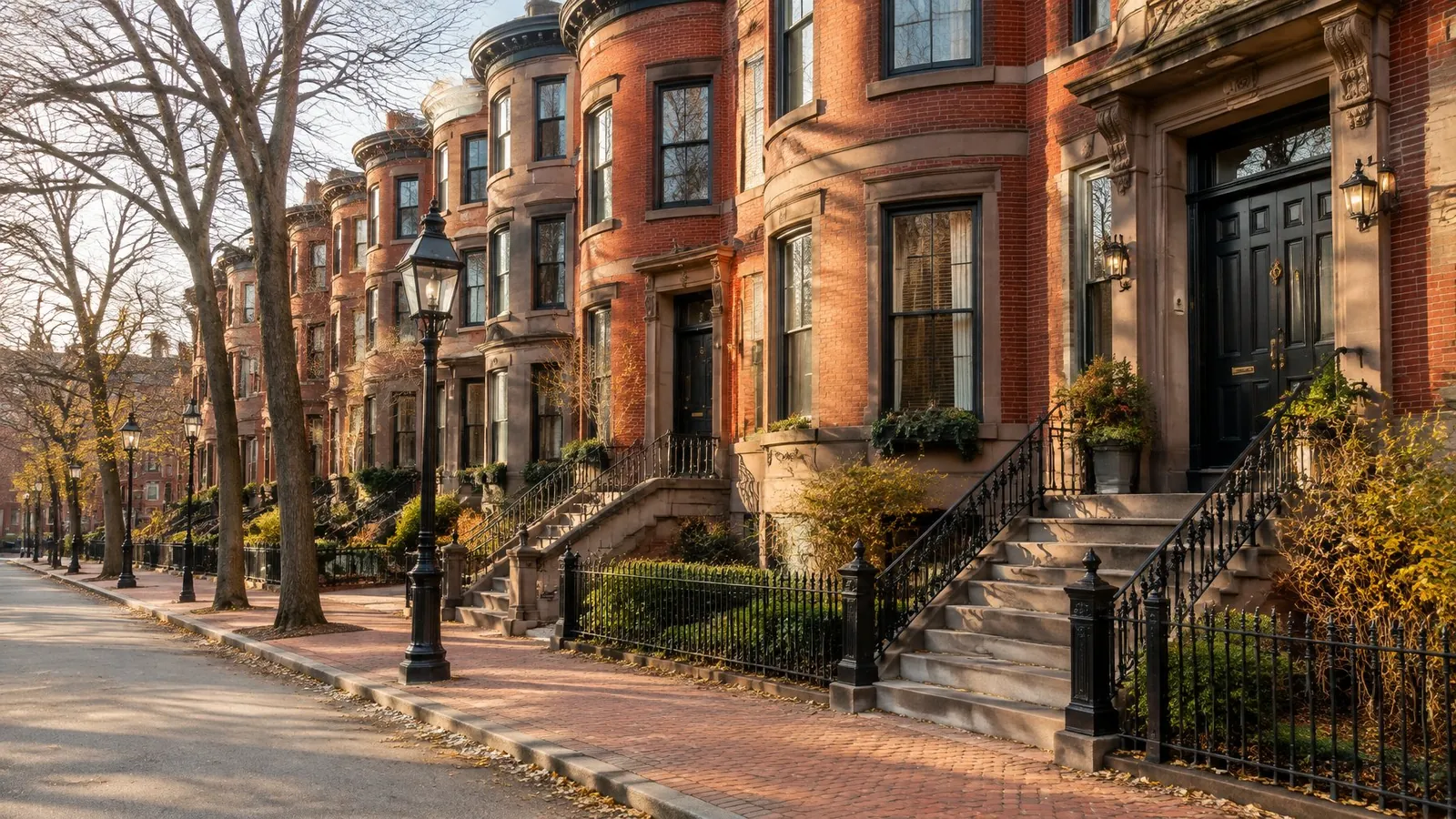
Under the row houses
How a pile foundation works
The Boston Groundwater Trust explains that builders drove wooden piles down through the fill and the soft silt beneath it, then set granite blocks on the pile tops and built the brick walls on the granite. The piles were cut off low enough to sit below the water table.
That detail is the whole story. Submerged wood keeps its strength. If the groundwater around a building drops and the pile tops are left in air, they decay, the granite caps lose their seat and the walls above come down unevenly.
Before you call anyone
Look your building up
Find the parcel in the Trust's Information Center
The Trust's data page opens a map where you click your lot. It shows the recorded foundation type (wood, concrete or steel), the level at which the piles were cut off where that is known, and whether the building has been underpinned.
Check the wells near you
On the same page you can enter an address and see the nearest groundwater observation wells with their readings over time. Higher water against a lower pile cut-off is the favorable combination.
Search old permits
The city's historical permit records may show an underpinning job or a test pit from decades ago.
Ask the building
In a condominium, ask the trustees for any engineer's report. Row houses share party walls, so the neighbors' history is partly yours.
Signs
What pile trouble can look like
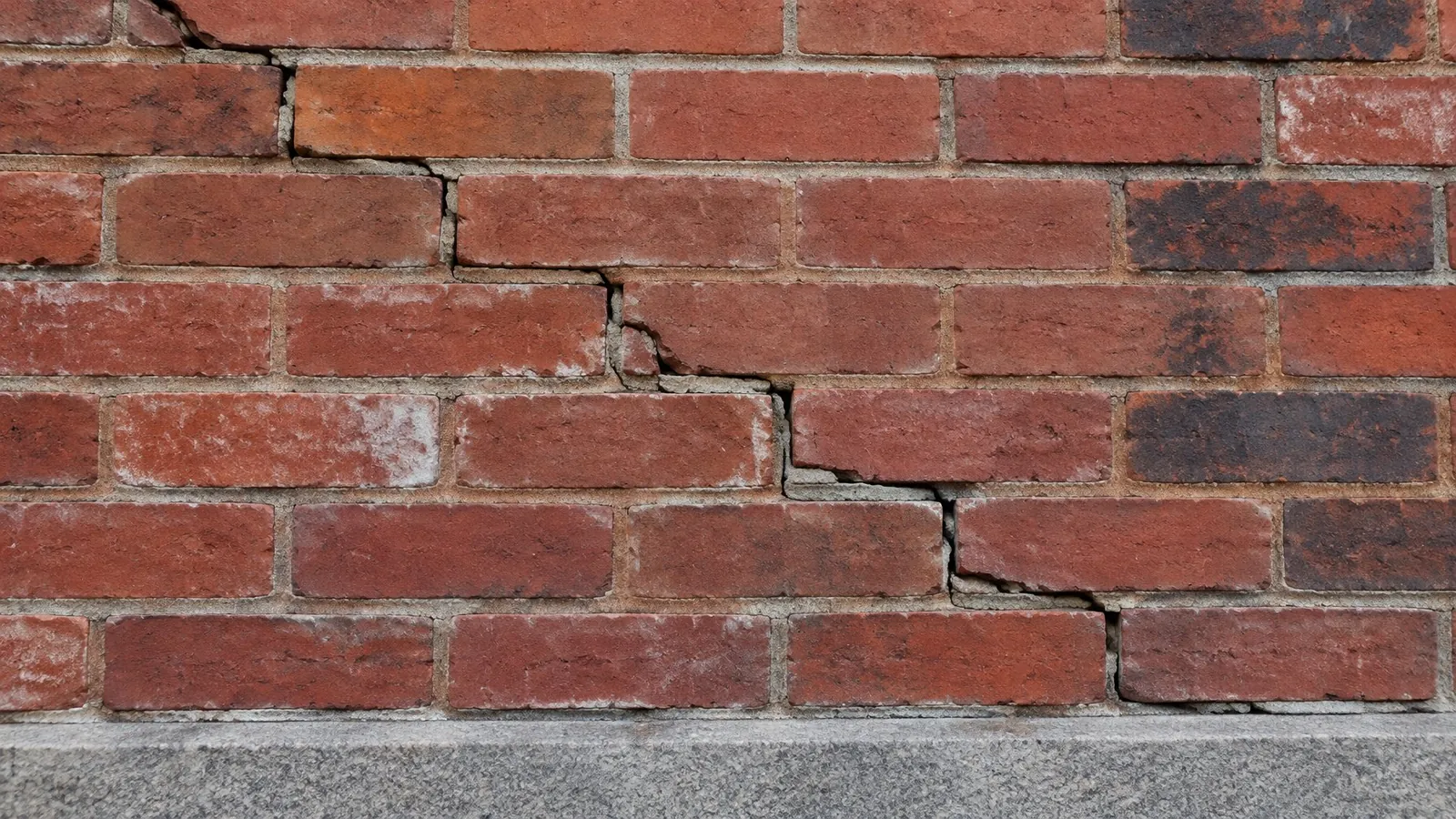
From inside, failing piles look like other settlement: stepped cracks in the front or rear brick wall, a stoop or bay that has pulled away, floors that fall toward one party wall, doors that have gone out of square. The same signs have other causes, described on the signs pages.
The condition of the piles cannot be judged from above. The Trust describes the usual check: an engineer has a test pit dug beside the foundation to see the pile tops and compare their level with the groundwater on site and in nearby wells. The Trust is clear that its own records are for reference and are not an engineering assessment.
Repair
What underpinning involves here
Where pile tops have rotted, the repair the Trust describes is to dig beneath the building, cut away the decayed part of each pile and replace it with steel that is then cased in concrete. The work is done by hand in tight pits and can take months. It needs an engineer's design and a long form permit.
These streets also lie in the Groundwater Conservation Overlay District, so deep excavation or a substantial rehabilitation brings a groundwater review on top of the building permit. The permit guide sets out what that asks for.
When you call, say straight away that the building is a row house on filled land. Not every company takes on pile underpinning, and the conversation goes faster once that is known.
Questions from these neighborhoods
The records say my building was underpinned. Does that settle it?
It is good news, but read the detail. Ask for the permit and the engineer's drawings to see which walls were done, since underpinning was sometimes carried out on part of a building only. Shared party walls may have been left for both owners to do together.
May I put a sump pump in my basement here?
Be careful. The Trust warns that even a small pump can pull down the water level under your lot and the lots beside it, which is exactly what harms piles. Speak to the Trust or an engineer first, and expect the city to take an interest.
Is the Fenway different from Back Bay?
The principle is the same: filled land, older masonry buildings and a protected water table. Building ages and foundation types vary block by block, which is why the parcel lookup is worth doing before anything else.
Foundation repair in Boston
Have a Boston foundation company take a look
Give the street, the kind of building and what has changed. The company settles a day to visit, and afterwards you receive its written account of the cause and what it would charge.
Ready to have it looked at?
Phone and say what you have seen. The firm on the other end is a Boston-area foundation repair company, independent of this website, and it can book a visit to your home.
Call (617) 555-0111You speak with an independent company, not with this website. See the referral disclosure.